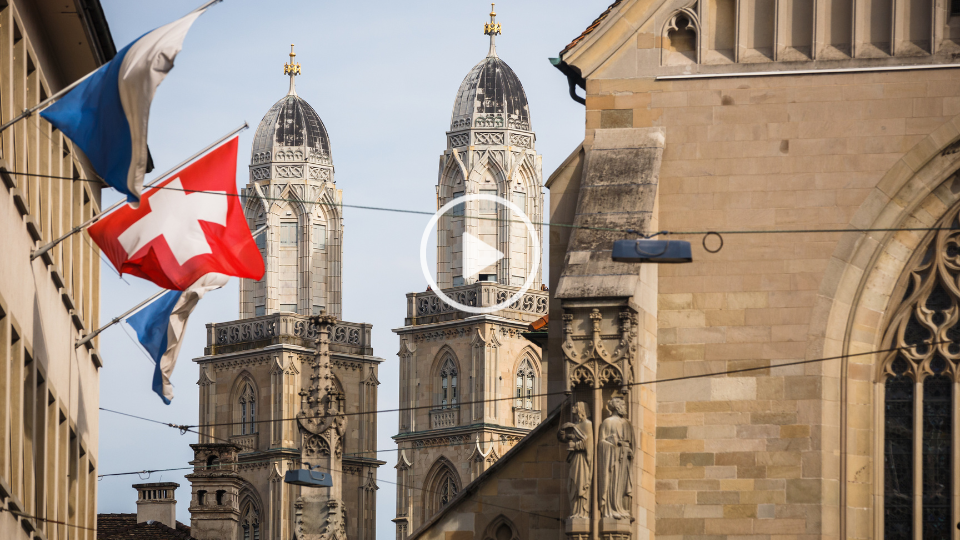
The preliminary findings, presented in Switzerland, expose the extent of clergy sexual abuse within the country. Since the mid-20th century, the study identifies 1,002 cases of abuse, involving approximately 510 accused abusers and 921 alleged victims. 39 of these cases concern female victims, with just under 56 percent being male. In 5 percent of cases, the gender could not be conclusively determined. The research team uncovered 74 cases of sexual abuse involving minors, including infants.
Another aspect highlighted by the research team is the alleged negligence of church leaders in applying church law and, in many instances, actively covering up crimes and protecting the abusers. Moreover, the team expressed their frustration over not being granted access to every archive, with reports of files being destroyed in two dioceses.
The Vatican’s involvement in this investigation stems from a letter written by Swiss priest Nicola Pettiga, former spokesman of the Swiss Bishop Conference, to Pope Francis in May. Pettiga made serious accusations against Swiss bishops and priests, alleging that the Swiss Bishops Conference it’s doing too little to clear up abuse cases even covering them up. The Vatican initiated its investigation in response to these allegations, leading to the current inquiry.
In response to the preliminary findings, Bishop Felix Gmür, President of the Swiss Bishops Conference, emphasized the need for the Church to engage in introspection. He stated that the Church must critically examine “mechanisms of power, our view on women, the concept of priesthood, and the Church’s teaching on sexuality.” This echoes sentiments expressed in the neighboring German Church regarding their controversial Synodal Way, which seeks to redefine Church teachings in areas such as authority, the ordination of women, celibacy, and human sexuality.
However, reactions to Bishop Gmür’s statement have varied, underscoring the complexity of the situation. Nevertheless, it is evident that the Swiss Catholic Church faces a grave crisis. According to the research team behind the study, the documented cases so far represent just the “tip of the iceberg.”
Looking ahead, it has been confirmed that Bishop Joseph Bonnemain of Chur is leading a preliminary canonical investigation on behalf of the Vatican against several members of the Swiss Bishops Conference. This investigation is expected to conclude by the end of the year. Additionally, more allegations against members of the Swiss Church hierarchy are anticipated to surface in the coming days and weeks.