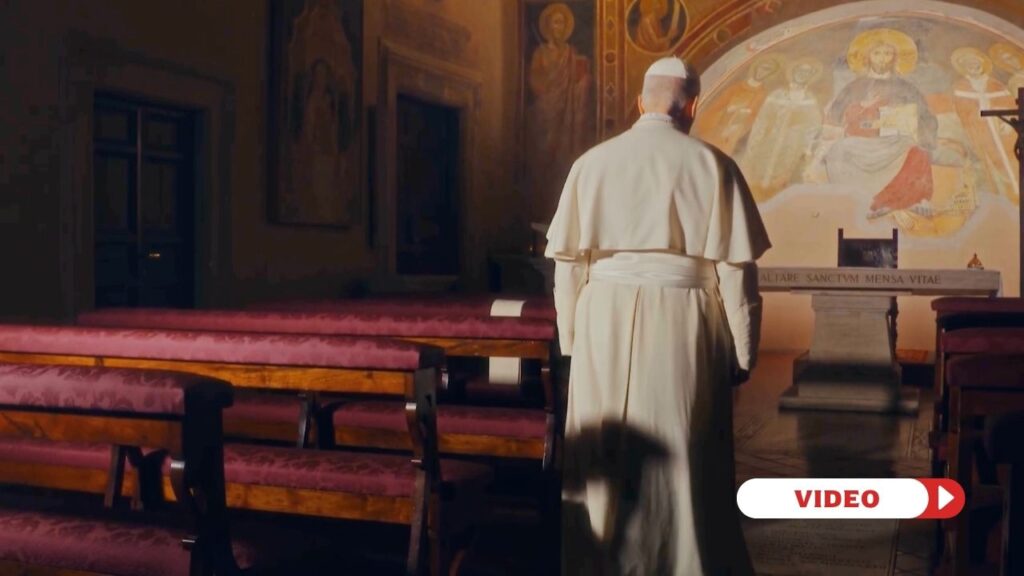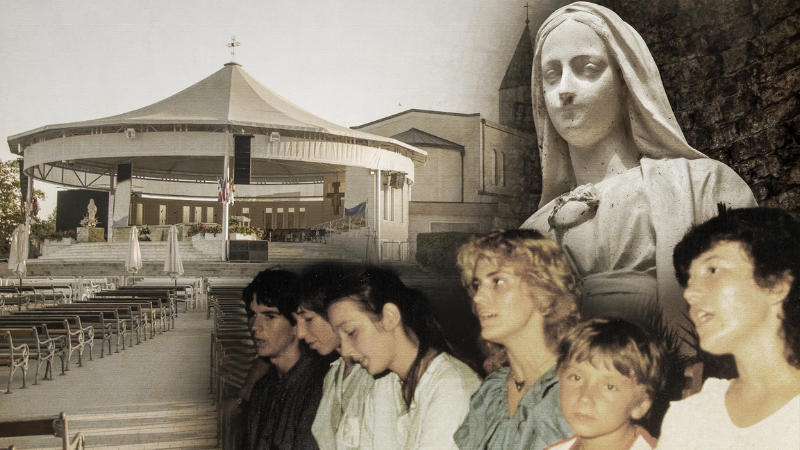
In a historic move, the Vatican has officially granted the “nihil obstat” (nothing stands in the way) to the devotion and spiritual experience that began in Medjugorje, Bosnia-Herzegovina, in June 1981. This marks a significant moment for the millions of faithful who have followed the alleged apparitions of the Blessed Virgin Mary, known as the Queen of Peace, which six children first reported in the town over 40 years ago.
A Long-Awaited Decision
The Vatican’s decision comes after decades of in-depth investigations, inquiries, and studies. This is now formalized in the document “Queen of Peace,” signed by Cardinal Víctor Manuel Fernández, prefect of the Dicastery for the Doctrine of the Faith, and approved by Pope Francis on August 28th. The document was released on September 19, officially putting an end to a decades-long debate about Medjugorje.
At a press conference held at the Vatican Press Office, Cardinal Fernández, on behalf of the Dicastery, expressed the relief of pilgrims worldwide: “This determination indicates that the faithful can receive a positive stimulus for their Christian life through this spiritual proposal, and public worship is also authorized.”
Spiritual Fruits Without Affirming Supernatural Origins
While the Vatican recognizes the abundance of spiritual fruits associated with the Medjugorje experience, it stopped short of affirming the supernatural character of the Marian apparitions themselves. Cardinal Fernández clarified: “We do not welcome these messages as private revelations because we do not have the certainty that they are messages from Our Lady, but we welcome them as edifying texts that can stimulate a beautiful spiritual experience.”
The Vatican’s approval allows the faithful to adhere to the devotion surrounding Medjugorje, emphasizing that “many positive fruits have occurred and no negative or risky effects have spread among God’s people,” as noted by Cardinal Fernández.
A Historical Path to Vatican Approval
The Vatican’s formal recognition of Medjugorje devotion follows years of rigorous study, dating back to 2010 when Pope Benedict XVI established a commission led by Italian Cardinal Camillo Ruini. This commission, which included cardinals, theologians, and other experts, conducted a thorough investigation into the reported Marian apparitions and their effects. The report, submitted to Pope Francis in 2016, affirmed the supernatural nature of the first apparitions and made several significant recommendations, including placing Medjugorje under Vatican oversight.
In 2018, Pope Francis appointed a Vatican official to supervise the pastoral care of the site, further cementing Medjugorje’s growing importance in the global Catholic community.
The Role of Mary in the Life of the Faithful
Reflecting on the deep significance of Marian devotion, Father Stefano Cecchin, President of the Pontificia Academia Mariana Internationalis, said, “God became visible through Jesus, and in the same way, Mary continues this work of inculturating with people, speaking their language, adopting their skin color, their clothing, and also becoming part of the people themselves all over the world.” He emphasized how central Marian devotion is to Catholic life: “We have studies that clearly show this worldwide—every family desires their own Madonna, so to speak, dressed in their traditions because they feel her as their own mother.”
Father Cecchin’s remarks highlight the universal nature of Marian devotion, particularly in Medjugorje, where more than 40 million pilgrims have visited since 1981, seeking spiritual renewal.
Looking Forward: Pilgrims Welcome
With the Vatican’s official green light, the faithful are now encouraged to continue their pilgrimages to Medjugorje, to deepen their faith through this unique spiritual experience. Cardinal Fernández’s words mark the culmination of decades of investigation, offering clarity and direction to millions of believers worldwide: “The faithful can go freely on pilgrimage to Medjugorje, to experience the spiritual fruits that have matured there and receive a positive stimulus for their Christian lives.”
As Father Stefano concludes, “She is the one who opens the way that leads us to Jesus. In fact, Paul VI, the great Paul VI, said we cannot be Christians if we are not Marian.”
Medjugorje remains a place of pilgrimage and spiritual growth, now with the full support of the Vatican, allowing millions to find peace and faith through the Queen of Peace.
Adapted by Jacob Stein