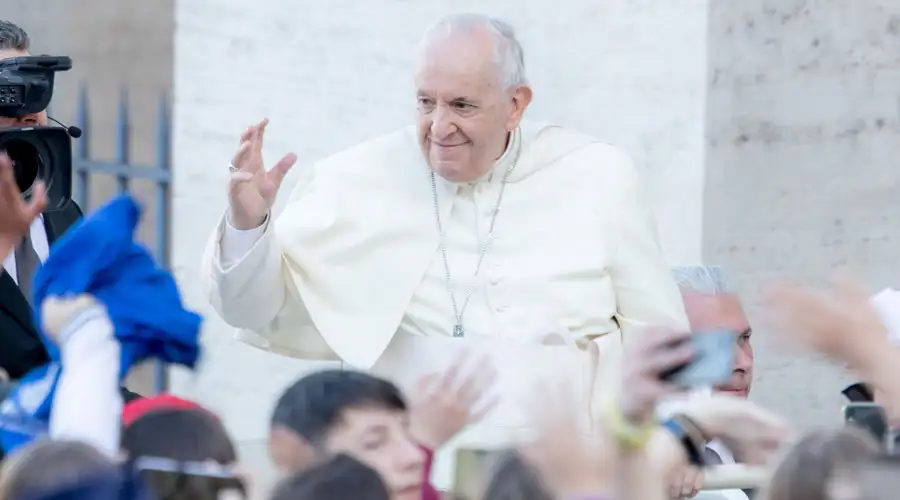
Pope Francis on Monday spoke of his desire for theology courses to be “accessible to all,” particularly for men and women wanting to deepen their faith and pursue further educational opportunities later in life.
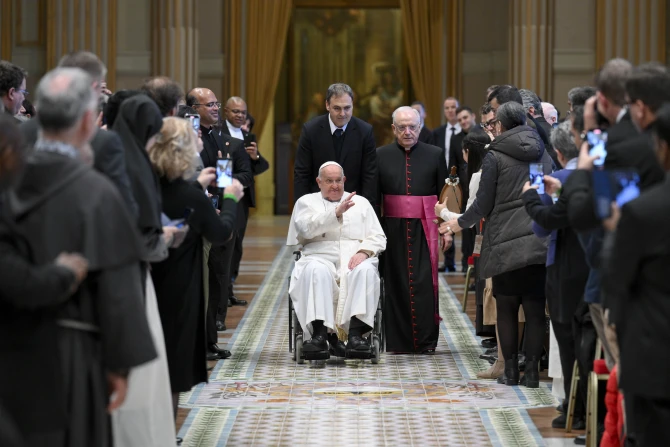
Meeting with academic staff participating in the International Congress on the Future of Theology’s “Heritage and Imagination” conference taking place Dec. 9–10, the Holy Father insisted that universities and theological schools should be open to people who “knock at the doors” of their institutions.
“Be prepared for this. Make imaginative adjustments to your programs of study so that theology can be accessible to all,” the pope told congress participants at a private audience held in the Vatican Apostolic Palace on Monday.
Noting the “growing phenomenon” of more men and women enrolling in university programs as mature students, Pope Francis said theology can be a “guide on the journey” for people searching for meaning in life.
“Middle age is a special time in life,” he said. “It is a time when one usually enjoys a certain professional security and emotional stability, but also a time when failures are painfully felt and new questions arise as youthful dreams fade.”
“When this happens, people can feel abandoned or even at an impasse — a midlife crisis,” the pope continued. “Then they sense a need to renew their quest, however tentatively, perhaps even with a helping hand. Theology can be that guide on the journey!”
“Make sure that these women and men find in theology an open house, a place where they can resume their journey, a place where they can seek, find, and seek again,” the Holy Father added.
750 years after Sts. Thomas Aquinas and Bonaventure
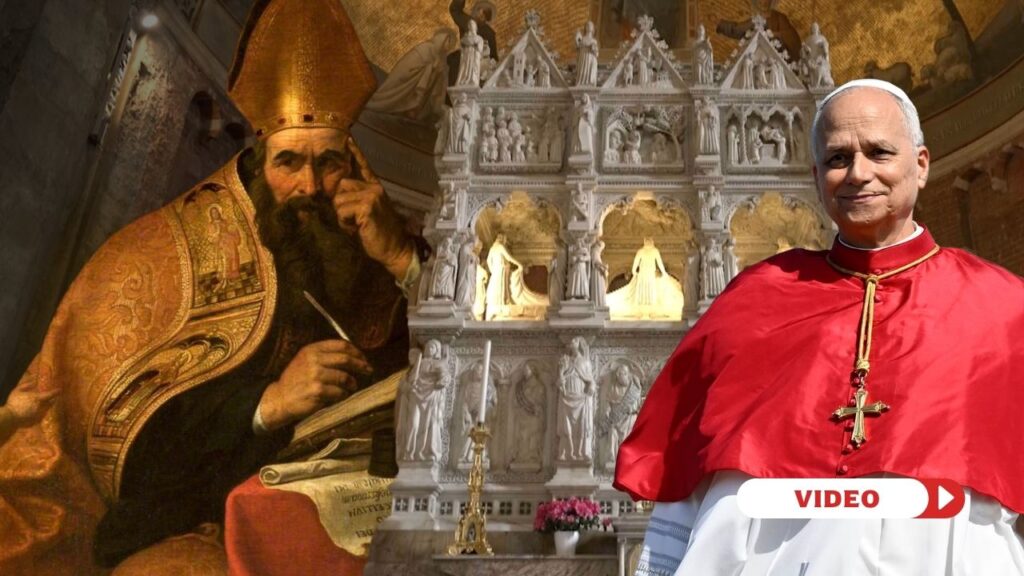
Promoted by the Dicastery for Culture and Education, the two-day congress aims to “reflect on how to appropriate the great theological patrimony of generations past and to imagine its future.” This year the Church celebrates the 750th death anniversaries of both St. Thomas Aquinas and St. Bonaventure.
Drawing upon the teachings of these two celebrated medieval Catholic theologians, Pope Francis said: “All theology is born of friendship with Christ and love for his brothers, his sisters, and his world.”
“Thomas tells us that we do not have a single sense, but multiple and different senses, so that reality does not escape us,” he said. “Bonaventure states that to the extent that one ‘believes, hopes, and loves Jesus Christ’ one ‘regains hearing and sight …, smell …, taste, and touch.’”
Unlike ideology, theology does not ‘flatten’ reality
During the audience, the Holy Father said combining theology with other disciplines — including philosophy, literature, the arts, mathematics, history, law, politics, and economics — is necessary to ensure that the discipline does not “flatten reality” into a single idea or ideology.
“Reality is complex; challenges are varied; history is full of beauty and at the same time marred by evil,” the pope said.
“These disciplines ought to ferment, because, like the senses of the body, each has its own specific function, yet they need each other, for, as the Apostle Paul points out: ‘If the whole body were an eye, where would the hearing be? If the whole body were hearing, where would the sense of smell be?’ (cf. 1 Cor 12:17),” he continued.
An ‘all-male’ theology is incomplete
Thanking theologians for their discreet and humble work so that “the light of Christ and his Gospel can emerge” during the meeting, the pope also emphasized the significant role women have in further developing theological thought.
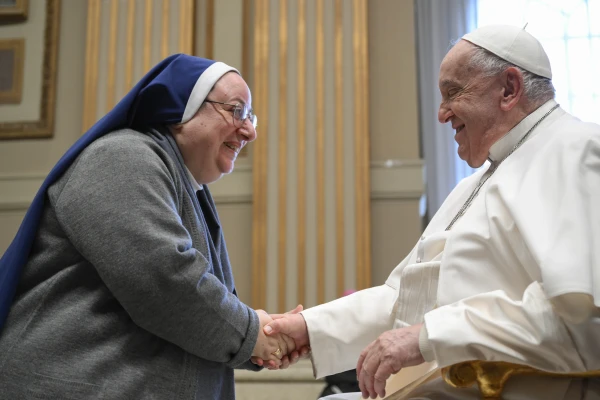
“This is a journey you are called to undertake together as theologians of both sexes,” he told deans, professors, and researchers present at the audience.
“There are things that only women understand and theology needs their contribution. An all-male theology is an incomplete theology. We still have a long way to go in this direction.”
This article was originally published on Catholic News Agency.