Carlo went on pilgrimage to see John Paul II, offered up his suffering from cancer for Benedict XVI, was beatified during the pontificate of Pope Francis, and was canonized by Pope Leo XIV.
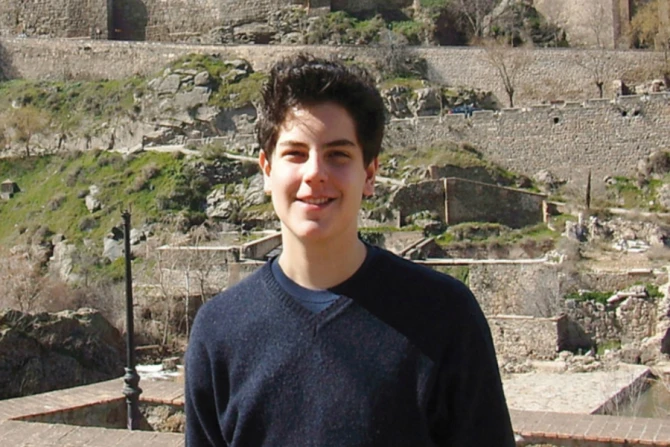
Oct. 12, 2026, marks the 20th anniversary of the death of St. Carlo Acutis, the Italian teenager who captivated a generation of young Catholics with his love of the Eucharist and passion for technology.
Acutis’ journey to sainthood has unfolded alongside the lives of the last four popes, each of whom has marked a different chapter in the teenager’s short life and legacy.
Carlo went on pilgrimage to see John Paul II, offered up his suffering from cancer for Benedict XVI, and was later beatified during the pontificate of Pope Francis. Finally, Pope Leo XIV canonized him, along with Pier Giorgio Frassati, on Sept. 7, 2025, making him the first millennial to ever be made a saint.
A childhood inspired by John Paul II
Born in 1991 during the pontificate of John Paul II, Carlo Acutis grew up at a time when the Polish pontiff was inspiring millions with his travels and teaching. It was Carlo’s Polish nanny, herself devoted to the pope, who helped cultivate Carlo’s early faith.
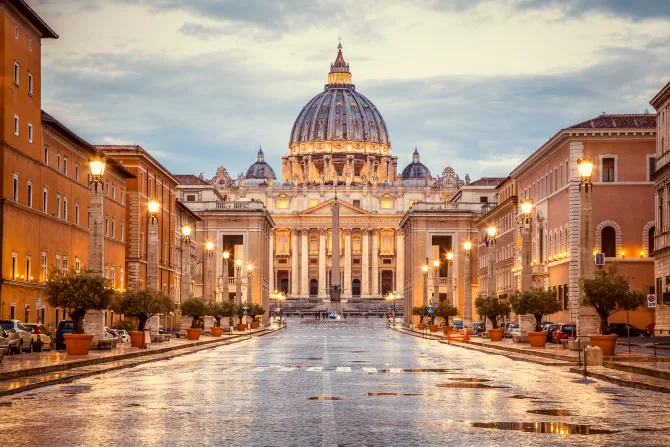
In October 2000, the Acutis family traveled to Rome to attend a landmark moment of the Great Jubilee: Pope John Paul II’s act of entrusting the new millennium to the Immaculate Heart of Mary. Standing in St. Peter’s Square, the then-9-year-old Carlo witnessed a crowd united in prayer, gathered beneath Bernini’s colonnade and in front of a statue of Our Lady of Fátima.
“The Church today, through the voice of the successor of Peter, in union with so many pastors assembled here from every corner of the world, seeks refuge in your motherly protection and trustingly begs your intercession as she faces the challenges which lie hidden in the future,” John Paul II prayed to Our Lady.
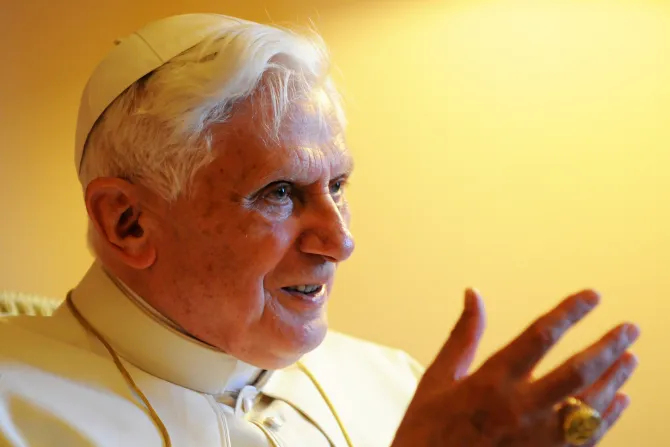
Offering his suffering for Benedict XVI
When white smoke emerged from the Sistine Chapel in April 2005, 13-year-old Carlo Acutis watched closely as Cardinal Joseph Ratzinger was elected Pope Benedict XVI. According to his mother, Carlo was “fascinated” by Benedict XVI.
The following year, Carlo was diagnosed with leukemia. Before he died of cancer in October 2006, he offered up his suffering for Benedict XVI, saying: “I offer all the suffering I will have to endure to the Lord for the pope and for the Church, in order not to go through purgatory and to go straight to heaven.”
Beatification under Pope Francis
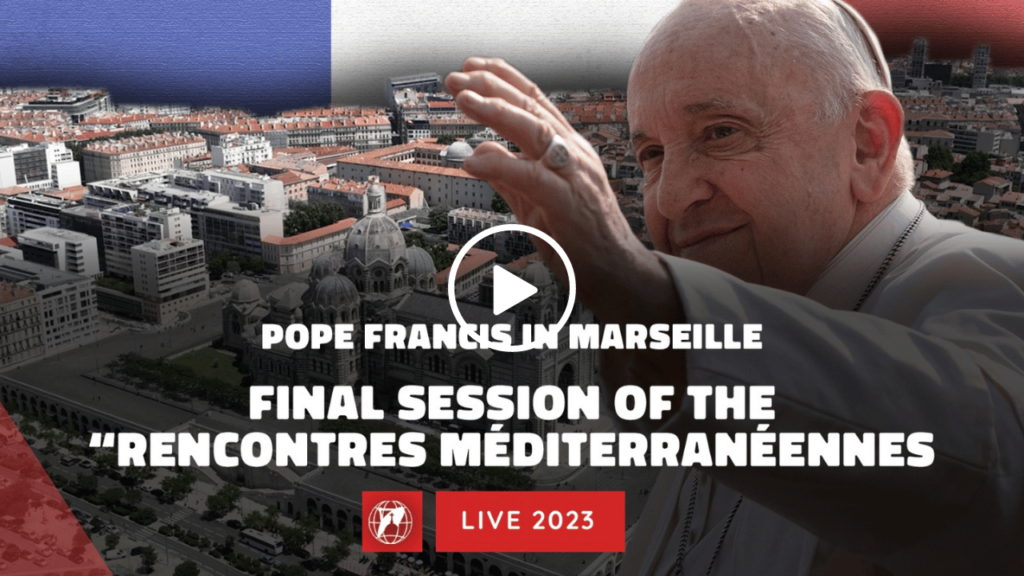
Pope Francis declared Carlo Acutis’ heroic virtue in 2018 and recognized the two miracles attributed to Carlo’s intercession that made possible his beatification and canonization.
Francis frequently cited Carlo as a model for youth in the digital age. In Christus Vivit, his apostolic exhortation to young people, Francis wrote that Carlo’s life stood as a witness against the temptation of “self-absorption, isolation, and empty pleasure” in the digital world.
“His witness indicates to today’s young people that true happiness is found by putting God in first place and serving him in our brothers and sisters, especially the least,” Pope Francis said the day after Carlo’s beatification in 2020.
Pope Francis had been scheduled to preside over Carlo’s canonization on April 27, 2025, during a jubilee event expected to draw 80,000 teenagers to Rome. Instead, with Francis’ death on April 21, 2025, Carlo’s canonization awaited a new date until a new pope was elected.
Carlo Acutis and Pope Leo XIV: A witness to young people
Carlo Acutis’ canonization on Sept. 7, 2025, was one of the first major acts of Leo XIV following his election to the papacy in May 2025. In his homily at the canonization, the pontiff hailed Acutis and Frassati as models for youth seeking holiness.
“Dear friends, Sts. Pier Giorgio Frassati and Carlo Acutis are an invitation to all of us, especially young people, not to squander our lives, but to direct them upwards and make them masterpieces,” Leo said.
Their example, the pope explained, is the “type of witness we are called to follow, in order to enjoy life to the full and meet the Lord in the feast of heaven.”
This story was first published on April 27, 2025. It was updated on Oct. 12, 2026.
Ishmael Adibuah contributed to this report. This article was originally published by EWTN News English.