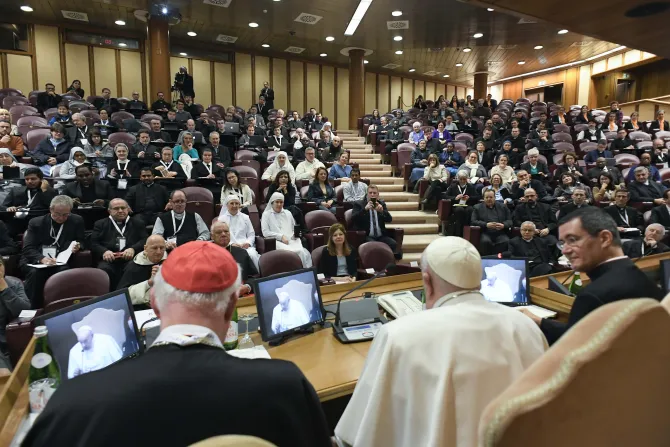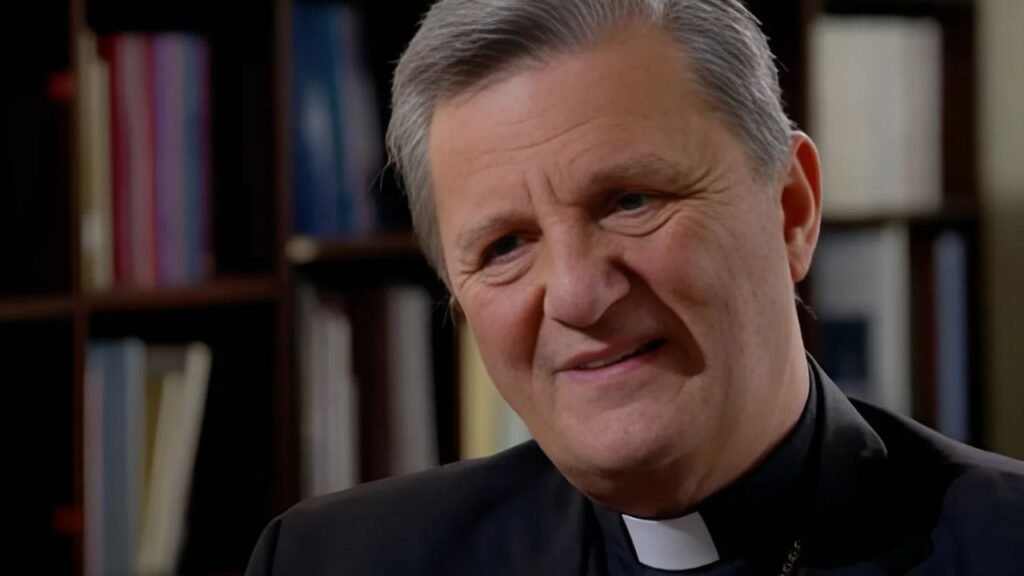
A month after the end of the Synod on Synodality, EWTN Vatican Bureau Chief Andreas Thonhauser, had the opportunity to talk with the Secretary General of the Synod, Cardinal Mario Grech, about the assembly’s results and future steps.
Cardinal Grech noted, “Unless we are open to the Holy Spirit, unless we are familiar with the Word of God, with the teaching of the Church, our contribution will fail.”
Synodal Church: A Spiritual Reality
Further, he commented, “it is important that if we are speaking about a synodal church, it is not only a structural reform. No, it’s not a reform of processes, which are necessary. But first and foremost, it is a spiritual conversion. It is a spiritual reality.”
Thonhauser asked, “Were you surprised that Pope Francis did not give his own exhortation after the synod, but accepted the final document—the summary, so to say, into Church teaching as Church teaching?”
“In a way, yes, I was surprised because this is the first time in the history of the Synod of Bishops that the Holy Father, at the end, says, listen, I sign this document. I make this document my own,” Cardinal Grech highlighted
“But at the same time,” he shared, “I saw it coming. Why? Because the Holy Father believes in the synodal assembly, believes in the people of God. It is not a Synod with a document that we can put on the shelf. It is something dynamic. That’s why I ask, is it concluded? Because if it is dynamic, it goes on.”
The Dynamic Nature of Synodality
Regarding the dynamic nature of the Synod, Thonhauser noted the work of the working groups, “And then there are also the working groups that are ongoing with topics that were taken out of the second part of the Synod, so to say, to have also other groups discussing”.
Cardinal Grech clarified, “Again, is the word ‘taken out’ correct? To be fair.
The Cardinal continued, “There are ten topics. Again, although these are study groups, I mean small groups, they are still open for the contribution of the whole Church. I made this clear during the synod. I said, listen, although these are ten groups with limited people, please feel free. I invite you to contribute.
Thonhauser asked, “For future synods, do you expect them to be in the same organizational structure, like the Synod on Synodality, including more laypeople? Or will you go back to the model before that? It’s a synod for bishops.”
Synod of Bishops and the Holy People of God
“The Synod of Bishops remains. But the Synod of Bishops is within the whole Church. So, if one of the themes, main themes, of the Synod was recognizing the importance of the holy people of God, so the holy people of God will contribute for the benefit of the church and society at large. How? That is something that we will see.”